Guiding Your Journey: Finding Mental Health Support and Tools
Navigating the world of mental health can be a daunting task. While the importance of mental well-being is widely recognized, finding the right resources and professionals remains a challenge for many. Understanding where to begin, what tools to consider, and who to trust are crucial steps to enhancing one’s mental health journey.
Start with Self-Assessment
Before diving into seeking external help, it’s important to self-reflect. Consider what issues are most pressing and which symptoms are affecting your daily life. This initial self-assessment can provide a clearer picture of what type of professional might be most helpful, whether it’s a therapist, psychologist, or psychiatrist. Journaling or using mental health apps can be effective for this phase.
Understanding Different Mental Health Professionals
The landscape of mental health support is diverse. It’s essential to understand the roles different professionals play. Therapists and counselors offer a safe space to talk through issues and develop coping strategies. Psychologists provide diagnoses and therapeutic support. Psychiatrists, as medical doctors, can prescribe medication when necessary. Knowing these distinctions can aid in making an informed decision about where to seek help first.
Then there’s the option of hybrid approaches combining different methods like cognitive-behavioral therapy, medication, and alternative therapies. Researching the qualifications and specialties of professionals in your area is critical. Many have websites detailing their approaches, making it easier to see if they align with your needs.

Consider Telehealth and Online Resources
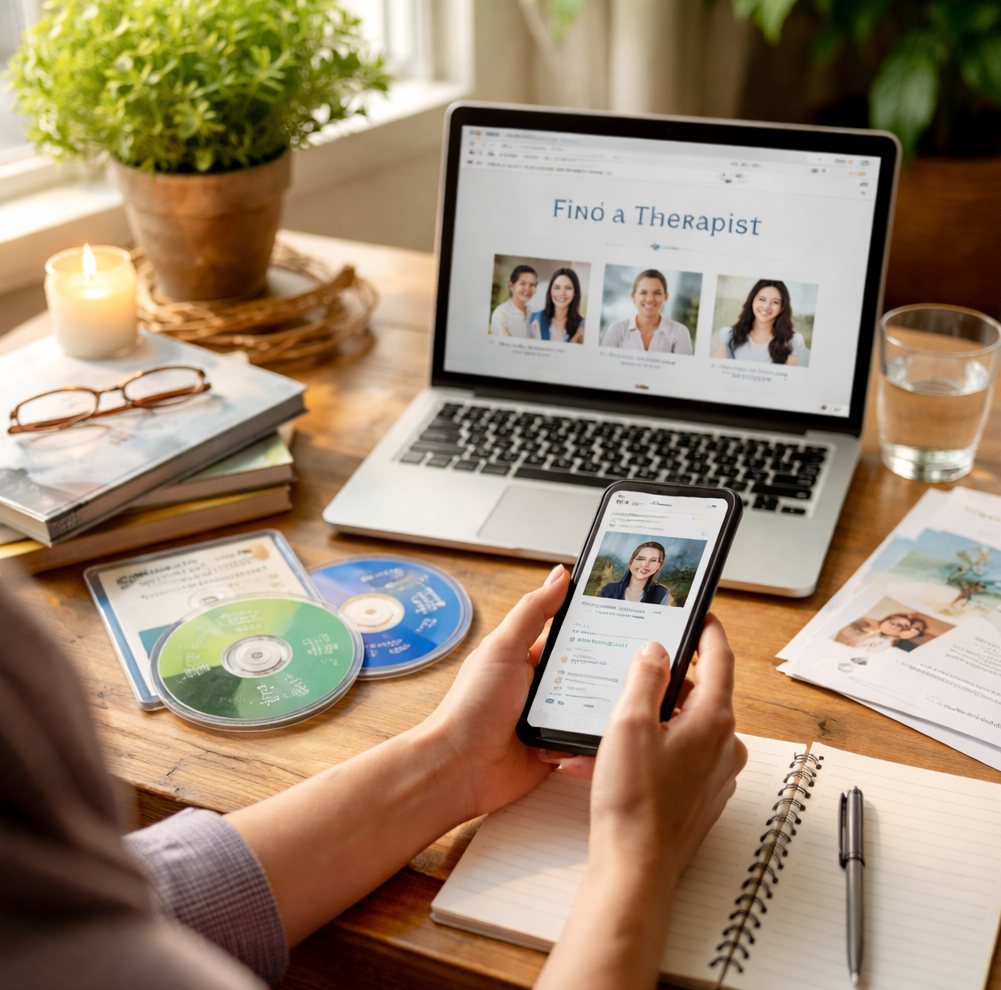
With advances in technology, telehealth has become a viable option for mental health support. Many professionals offer virtual appointments, which can be more convenient and less intimidating than in-person visits. Online directories and platforms list certified professionals who can provide remote consultations. When seeking online support, ensure the platforms are reputable and that the professionals are licensed.
Moreover, online resources are not limited to professional consultations. There are numerous articles, videos, and forums dedicated to self-improvement and mental well-being. These resources, while not substitutes for professional help, can provide supplementary guidance and insight.
Utilizing Hypnosis CDs and Other Tools
For those interested in alternative methods, hypnosis CDs are tools worth exploring. These CDs can guide users through relaxation techniques that may aid in stress reduction and managing anxiety. As with any alternative therapy, it’s crucial to research and choose products developed by credible sources. Self-guided tools like hypnosis can empower individuals to take an active role in their mental health journey.
Engage with Community and Support Networks
Community plays a vital role in mental health. Engaging with local support groups or online communities can offer a sense of belonging and validation. These spaces provide opportunities to share experiences and gain insights from others facing similar challenges. While professional help is indispensable, peer support can serve as a valuable complement.
In conclusion, embarking on a mental health journey requires intention and informed decisions. By assessing individual needs, understanding the available support systems, and utilizing a combination of professional guidance and self-help tools, one can create a comprehensive strategy for mental wellness. Whether through professional help or self-improvement resources like hypnosis CDs and community support, the path to mental well-being is multifaceted and deeply personal.